 CodeNerve
AI for Kids: What It Means and How to Use It Safely
Artificial intelligence, or AI, is a broad name for computer systems that perform tasks such as recognising patterns, suggesting videos or generating text. Children may meet AI in search tools, games and apps, sometimes without realising it.
How does AI work?
Many AI systems learn patterns from examples, often called data. For instance, a system shown many pictures labelled "cat" or "dog" can learn to guess which animal appears in a new picture. It is making a prediction based on patterns, not understanding an animal in the same way a person does.
Different systems work differently. A chatbot can produce a helpful-sounding answer, but it can also make up facts or misunderstand a question. It should not be treated as an expert who is always right.
What should children learn to ask?
- Is this correct? Check important claims against trusted sources or ask a teacher.
- Where might this answer be unfair? AI can reflect gaps or biases in its training data.
- What am I sharing? Do not enter passwords, addresses, school details or other private information into an AI tool.
- Am I allowed to use it? Follow the tool's age rules and your school or family's guidance.
How does coding help?
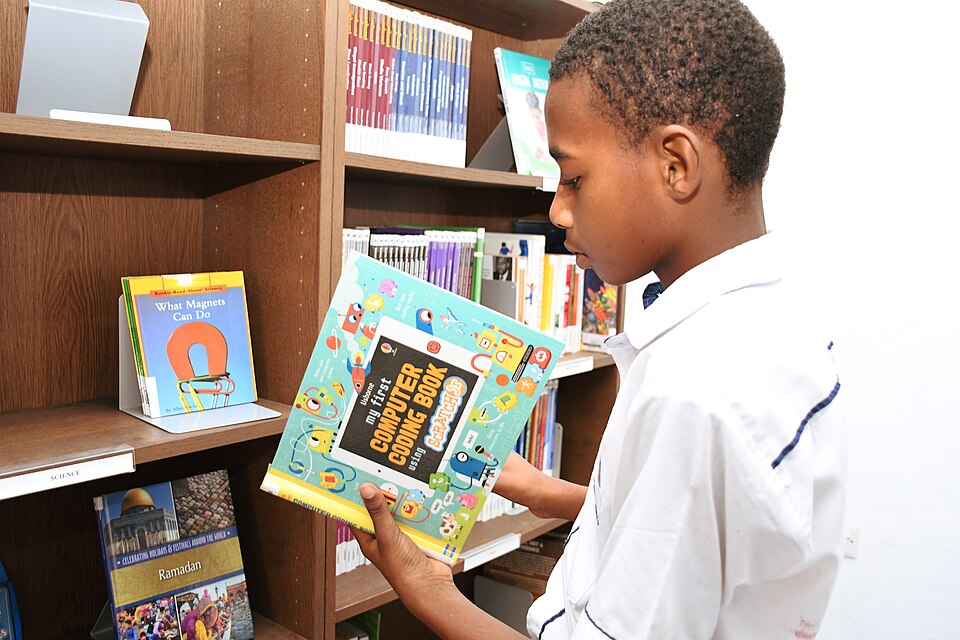
Coding gives learners a way to explore instructions, patterns and data. For example, a child can create a simple program that responds differently to different answers. That is not the same as building a modern AI system, but it is a useful first step towards understanding how technology makes decisions.
The goal is curiosity with care: use AI as a tool, question its answers and keep people involved in important decisions.